Articles
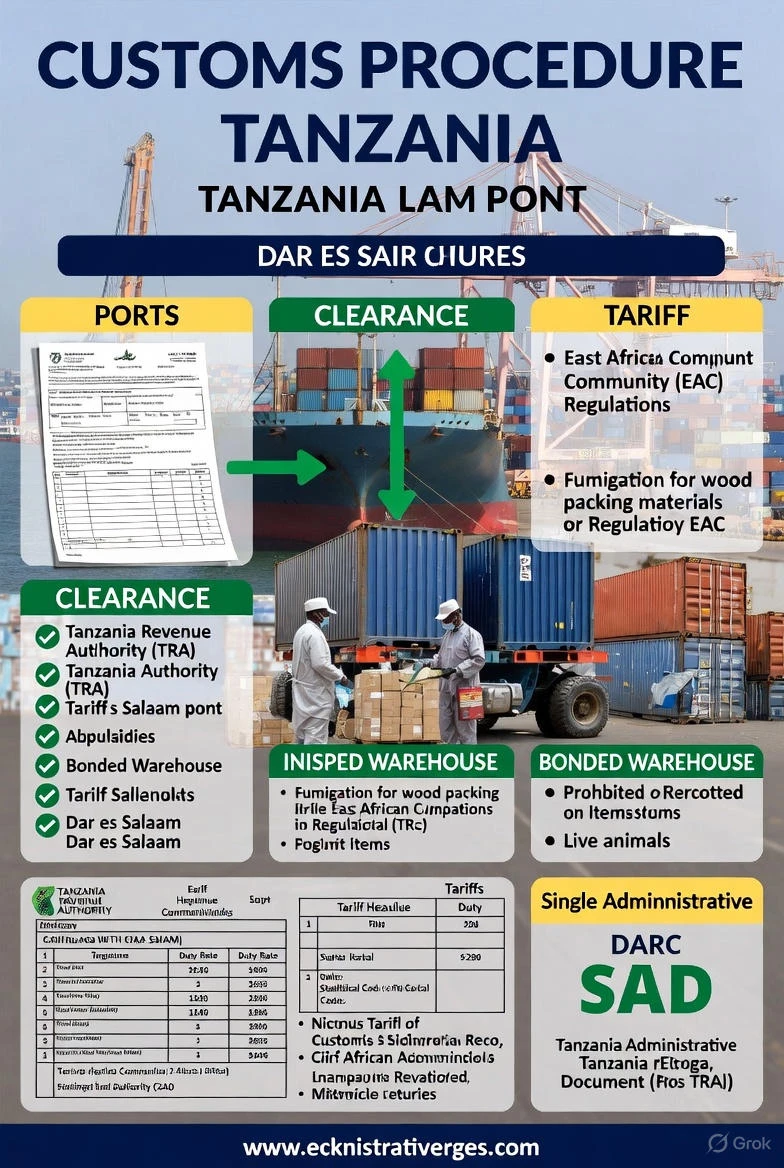
Customs Procedures in Tanzania
Navigating the complex landscape of Customs Procedures in Tanzania is a critical step for any business engaging in international trade within East Africa.
Whether you are importing raw materials, exporting finished goods, or setting up a local branch, understanding Customs Procedures in Tanzania is essential for maintaining compliance and avoiding costly delays.
This guide explores the intricacies of Customs Procedures in Tanzania, helping you streamline your logistics and operations.
The Importance of Efficient Customs Procedures in Tanzania
The efficiency of Customs Procedures in Tanzania directly impacts your supply chain. The Tanzania Revenue Authority (TRA) oversees these processes, ensuring that all goods entering or leaving the country adhere to legal standards.
When you engage in Customs Procedures in Tanzania, you must be prepared for a rigorous documentation process. The TRA utilizes the Tanzania Customs Integrated System (TANCIS) to manage Customs Procedures in Tanzania digitally, which has significantly modernized the workflow.
Step-by-Step Guide to Customs Procedures in Tanzania
To successfully complete Customs Procedures in Tanzania, importers must follow a structured approach. The first step in Customs Procedures in Tanzania is the appointment of a Licensed Clearing and Forwarding Agent (CFA).
Pre-Arrival Declaration: Efficient Customs Procedures in Tanzania start before the goods arrive.
Your agent will lodge a Pre-Arrival Declaration (PAD) as part of the standard Customs Procedures in Tanzania. Lodging Documents: You must submit the Bill of Lading, Commercial Invoice, and Packing List.
These are vital for Customs Procedures in Tanzania. Assessment: The TRA assesses the duties payable.
Accurate valuation is crucial in Customs Procedures in Tanzania to avoid penalties. Payment and Release: Once duties are paid, the Customs Procedures in Tanzania move to the verification stage.
Depending on the risk profile, goods may undergo scanning or physical verification, a standard part of Customs Procedures in Tanzania.
Understanding these steps ensures you are not caught off guard by the requirements of Customs Procedures in Tanzania.
Documentation Required for Customs Procedures in Tanzania
Documentation is the backbone of Customs Procedures in Tanzania. Without the correct paperwork, Customs Procedures in Tanzania will halt, causing severe operational headaches. Essential documents for Customs Procedures in Tanzania include the Import Declaration Form (IDF), Certificate of Origin, and permits from regulatory bodies like the Tanzania Bureau of Standards (TBS).
Every entrepreneur navigating Customs Procedures in Tanzania must ensure their Tax Identification Number (TIN) is active. This links directly to your business registration. If you are operating a
Business Structures and their Impact on Customs Procedures in Tanzania
Your business entity type influences how you interact with Customs Procedures in Tanzania.
Foreign Entities
International companies often set up a
Local Partnerships
Small businesses structured as
Investment Incentives
For larger projects, registering as
The Role of Infrastructure in Customs Procedures in Tanzania
To obtain the necessary licenses to perform Customs Procedures in Tanzania, you need a registered business address. This is where
Challenges in Customs Procedures in Tanzania
Despite improvements, traders still face challenges with Customs Procedures in Tanzania. Valuation disputes are common in Customs Procedures in Tanzania, where the declared value of goods is contested by the commissioner. To mitigate this aspect of Customs Procedures in Tanzania, always keep verifiable proof of payment and original invoices.
Another challenge in Customs Procedures in Tanzania is the coordination between different agencies. The "One Stop Border Post" initiative aims to smooth out Customs Procedures in Tanzania, but delays can still occur. Patience and preparation are key virtues when dealing with Customs Procedures in Tanzania.
Optimizing Your Strategy for Customs Procedures in Tanzania
To master Customs Procedures in Tanzania, proactive planning is required. Engage experts who specialize in Customs Procedures in Tanzania. Ensure your Harmonized System (HS) codes are correct, as this is a frequent error point in Customs Procedures in Tanzania. Incorrect coding can lead to fines and prolonged delays in Customs Procedures in Tanzania.
By aligning your business structure—whether a
Don't forget the foundational requirement of a valid address found through
Conclusion
In conclusion, Customs Procedures in Tanzania are a gateway to doing business in one of East Africa's most dynamic markets. By understanding the nuances of Customs Procedures in Tanzania, from documentation to duty payment, you position your business for success. Do not let the complexity of Customs Procedures in Tanzania deter you; instead, use this knowledge to build a resilient supply chain. Mastering Customs Procedures in Tanzania is ultimately about compliance, foresight, and choosing the right partners.
For immediate assistance with your business registration and setup to handle Customs Procedures in Tanzania effectively:

Company Formation Services in Tanzania

Guide to Establishing a Private Limited Company in Tanzania

Branch or Foreign Subsidiary in Tanzania

Partnerships and Sole Proprietorships in Tanzania Guide

Investment Companies (TIC) in Tanzania
Latest Posts


Ready to start your project? Request your service and begin your journey with us!

International Expert Mohammed bin Rashid bin Adwan